
 English
 Español
 ไทย
ไทย Indonesia

غسل الخضار والأطباق
Vegetable and dish washing is an important part of maintaining hygiene and health in everyday life. Proper washing helps remove dirt, bacteria, pesticide residues, and food particles, which can otherwise cause illness or contamination. Both vegetables and dishes come into direct contact with what we eat, so careful cleaning is essential.When washing vegetables, the first step is to sort and inspect them. Any damaged or spoiled parts should be removed before washing, because they can contain a higher level of microorganisms. Vegetables should be rinsed under clean, running water rather than soaked in a basin, as running water is more effective at carrying away dirt and contaminants. Leafy vegetables, such as lettuce, spinach, and cabbage, need special attention. The leaves should be separated so that water can reach every surface. Root vegetables like carrots and potatoes should be scrubbed with a clean brush to remove soil and debris from the surface.It is generally recommended not to use soap or detergent directly on vegetables, because these products are not designed for consumption and may leave harmful residues. Instead, clean water and gentle rubbing are usually enough. In some cases, a food‑grade vegetable wash or a weak salt solution can be used, but they must be thoroughly rinsed off. After washing, vegetables should be drained in a colander and, if necessary, dried with a clean towel to reduce surface moisture, which can slow the growth of microorganisms.Dish washing also plays a critical role in food safety. Plates, bowls, utensils, and cooking tools can collect grease, food remnants, and bacteria. The first step is to scrape off leftover food into a waste container. This reduces the amount of residue and makes washing more efficient. Hot water is preferred because it helps dissolve grease and improves the effectiveness of detergent. A suitable dishwashing liquid should be used, as it is formulated to cut through oil and remove food particles.During washing, each item should be scrubbed thoroughly with a sponge, cloth, or brush. Areas that come into direct contact with the mouth or food, such as the rims of cups or the inside of bowls, require extra care. After applying detergent and scrubbing, dishes must be rinsed well under running water to remove all soap and loosened debris. If detergent remains on the surface, it can affect taste and may irritate sensitive individuals.Drying is another important step. Air‑drying on a clean rack is often considered hygienic, because it avoids transferring microorganisms from towels onto clean dishes. If towels are used, they must be washed and replaced frequently. Proper storage is equally important; clean dishes and vegetables should be kept in dry, covered areas to prevent recontamination from dust, insects, or dirty surfaces.By following careful vegetable and dish washing practices, it is possible to reduce the risk of foodborne illness, maintain a clean kitchen environment, and support overall health and well‑being.
نتاج
تصنيف:
-
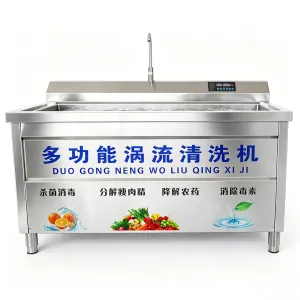
آلة تنظيف دوامية متعددة الوظائف لغسل الخضار والأطباق
تصنيفها: سلسلة غسالة الصحونالمشاهدات: 11عدد:وقت الإصدار: 2026-04-17 15:40:02تدمج آلة التنظيف الدوامية متعددة الوظائف هذه تقنية الدوامة المتقدمة لغسل الخضار والأطباق بكفاءة. فهو يحل محل الأساليب التقليدية كثيفة العمالة، ويعزز النظافة، ويناسب الاستخدام التجاري والمؤسسي براحة عالية.
أخبار
تصنيف:
لا توجد نتائج بحث!
حالة
تصنيف:
لا توجد نتائج بحث!
فيديو
تصنيف:
لا توجد نتائج بحث!
تحميل
تصنيف:
لا توجد نتائج بحث!
تجنيد
تصنيف:
لا توجد نتائج بحث!
المنتجات الموصى بها
لا توجد نتائج بحث!



 واتس اب
 هاتف
هاتف